The Percentage Game
A Playbook for Making Every Season Matter
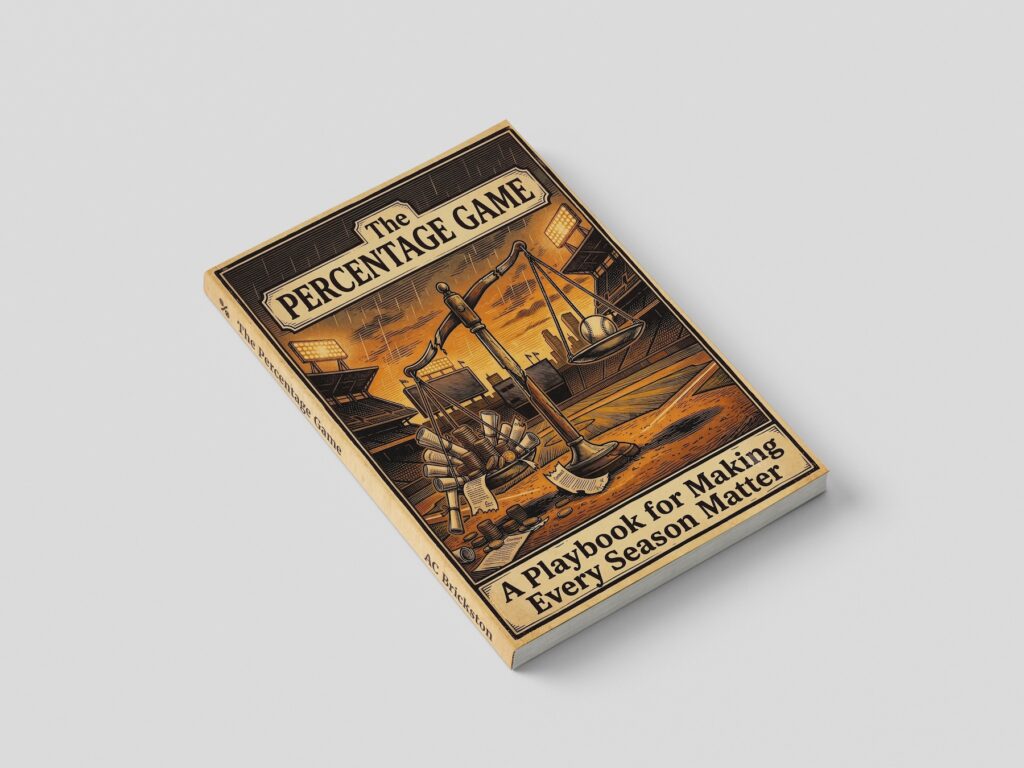
This book is a full proposal for replacing guaranteed sports contracts with a dynamic, percentage-based pay system — one where what you produce this season determines what you earn this season. Built around Major League Baseball, backed by a 13-tab financial model, and designed as the foundation, not the end destination.
Inside details how the system could potentially benefit the symbiotic relationship between owners, players and fans of any professional sports league. It explains in detail how a complex structure would work, along with tackling important issues like objections, declining player production and offering a financial plan that ultimately aims to restore parity yet still reward winning teams.
What is missing is your voice. I started the conversation but want everyone and anyone who has an interest in solving this problem, the opportunity to add their ideas, stress test the concept and provide constructive criticism that will ultimately lead to a better product.

The Diagnosis
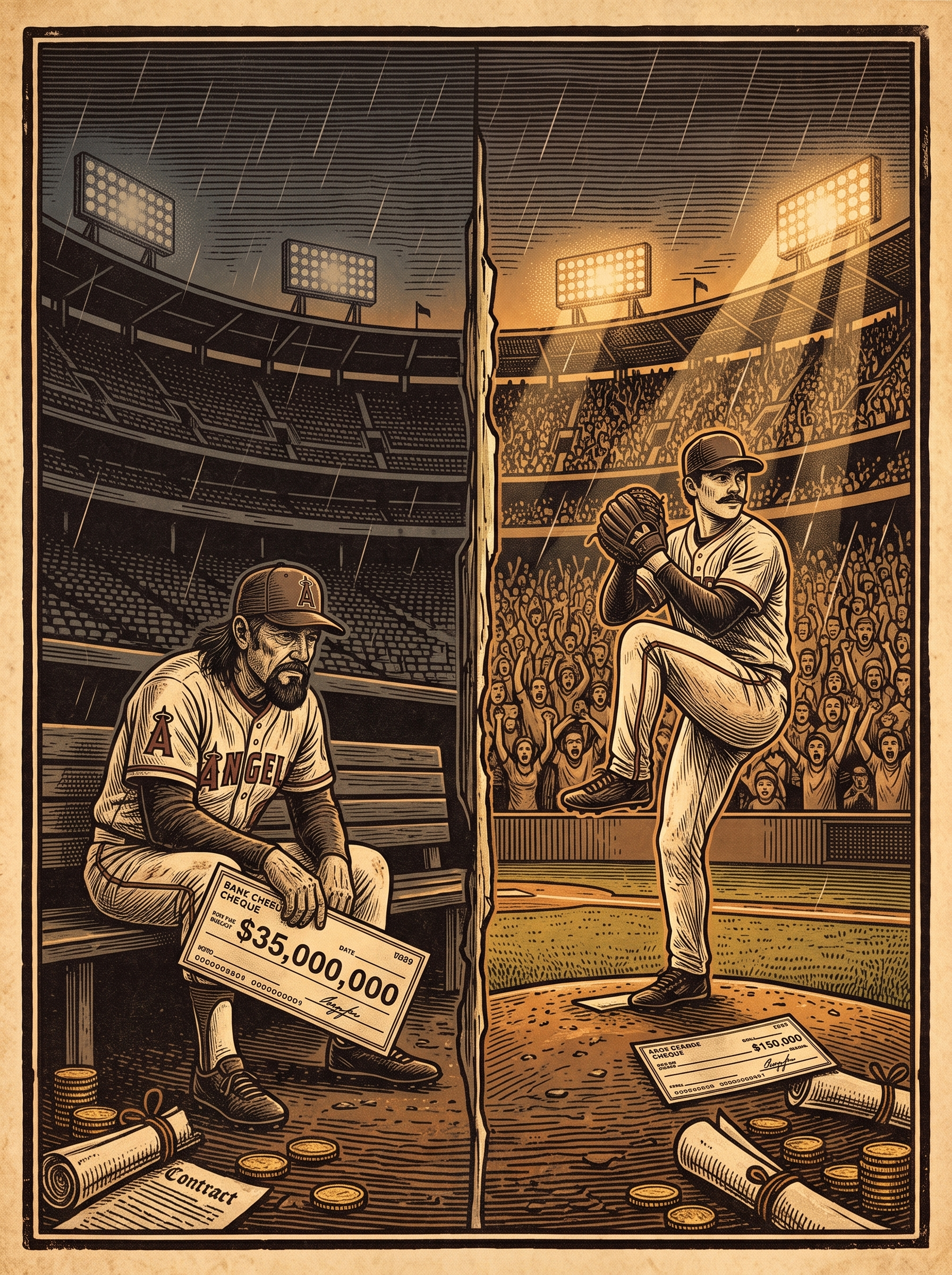
Why a $245 million contract can produce 3.9 WAR, why the best pitcher in baseball can earn less than a backup catcher, and why “just spend more” was never the fix.

The System
A complete percentage-based compensation model — base salary, dynamic pool shares, a winning escrow that rewards small markets exactly like big ones, and a formula that replaces guesswork with data.

The Evidence
Real players, real contracts, real math. Anthony Rendon, Paul Skenes, Bobby Witt Jr., and a full-season simulation across all 30 teams — modelled, not asserted.

The Hard Conversations
Why the union will resist this, why ownership might actually want it more than they’ll admit, and what it would take to get both sides to the table.
Six Ideas at the Heart of the Book
The concept within this book is held together by simple principles that are not negotiable. These are things that should not be compromised.
Current Production
Pay for what happened, not what was projected six years ago.
Reward for Winning
A small-market championship should be worth exactly as much as a big-market one.
Players Paid their Worth
Every dollar of the pool goes to players — no team gets to underspend its own revenue.
Dynamic Pay Structure
Guaranteed money isn’t fairness. It’s just risk, parked on someone else’s balance sheet.
Comprehensive Data Analysis
The data sets the starting point. Negotiation is the override, not the default.
Fan-Centered Vision
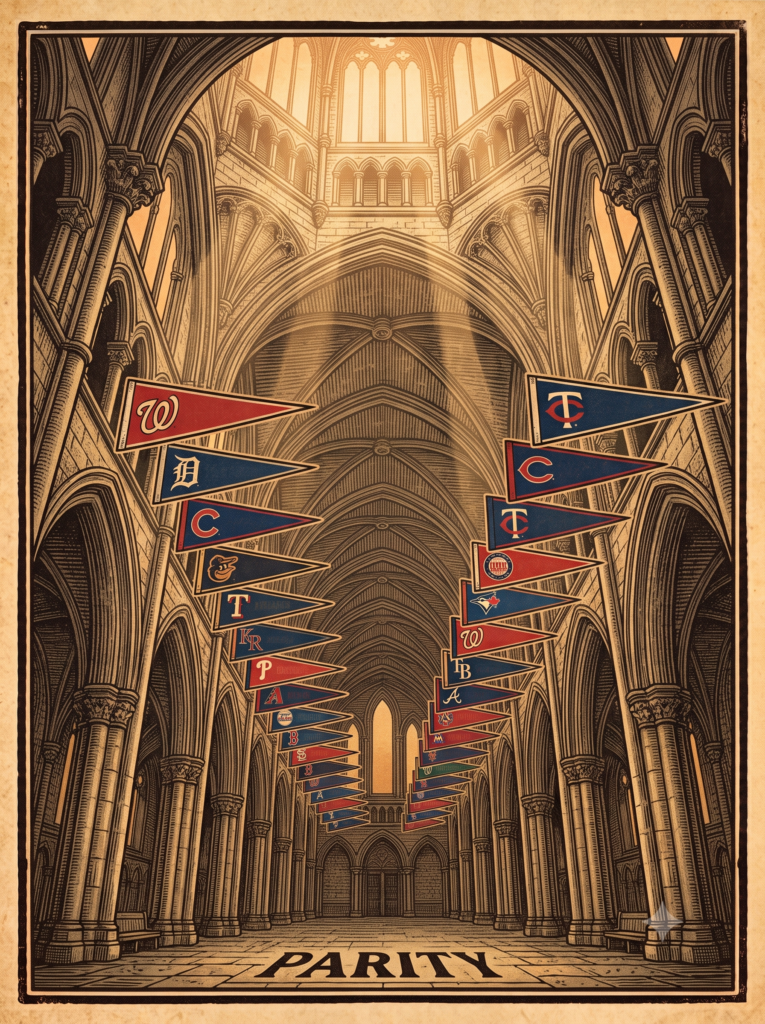
A league is healthiest when every fan base has a reason to care on Opening Day.
A Fan’s Case for a Better Game
This didn’t start in a boardroom or a union hall. It started with a VHS tape. My first real exposure to baseball came from watching Tommy Lasorda teach kids to play the game. That accident of discovery is the reason I became a lifelong Dodgers fan — not hometown loyalty, not brand recognition, just a kid who fell in love with the sport by accident.
That love is also the reason this book is uncomfortable to write. Watching a team you love buy championships while knowing, deep down, that isn’t what healthy competition looks like — that’s a strange kind of discomfort. Winning feels hollow when it’s purchased instead of built. A rivalry only means something when both sides had a real chance.
I kept coming back to Moneyball — not the analytics, but the underlying idea: when a system is structurally broken, you don’t tinker at the margins. You ask whether the system itself needs rebuilding. The Oakland A’s didn’t need to become the Yankees. They needed a system that let them compete on their own terms.
So I built one. Not a hot take, not a thread — an actual working proposal: a full compensation formula, a 30-team financial model, worked examples using real 2025 contracts, and an honest accounting of who wins, who loses, and why it might still be worth doing anyway.
I’m not a front office executive, an agent, or a union rep. I’m a fan who got curious enough to run the numbers. Every assumption in this book is negotiable. The diagnosis isn’t.

Skeptical? Want to see it in action?
Like many of you, I prefer to see something instead of someone telling me about it. I built a really basic Claude AI tool that allows you to enter in your favourite MLB player from a 2025 roster and see a comparison of their pay using the existing system against The Percentage Game‘s version.
This isn’t perfect, and shows an estimated result, not a final value. It will however hopefully help you understand the concept faster.
Note: This tool does require you to be signed in with a Claude AI account. These are free to create and require no credit card or payment.
This book is not for everyone
There is no specific target audience for this book. It is however not exactly going to be everyone’s cup of tea.
This book is for you if..

You’ve seen a contract & thought, “how does that make sense?”
You want a real proposal, not just a complaint
You care about competitive balance as much as player pay
You want the model, not just the argument
This book is not for you if..

You think the current system is basically fine
You want a hot take with no math behind it
You’re only interested if it’s about your team
You need this to have already happened to take it seriously
Start Your Journey with The Percentage Game Now
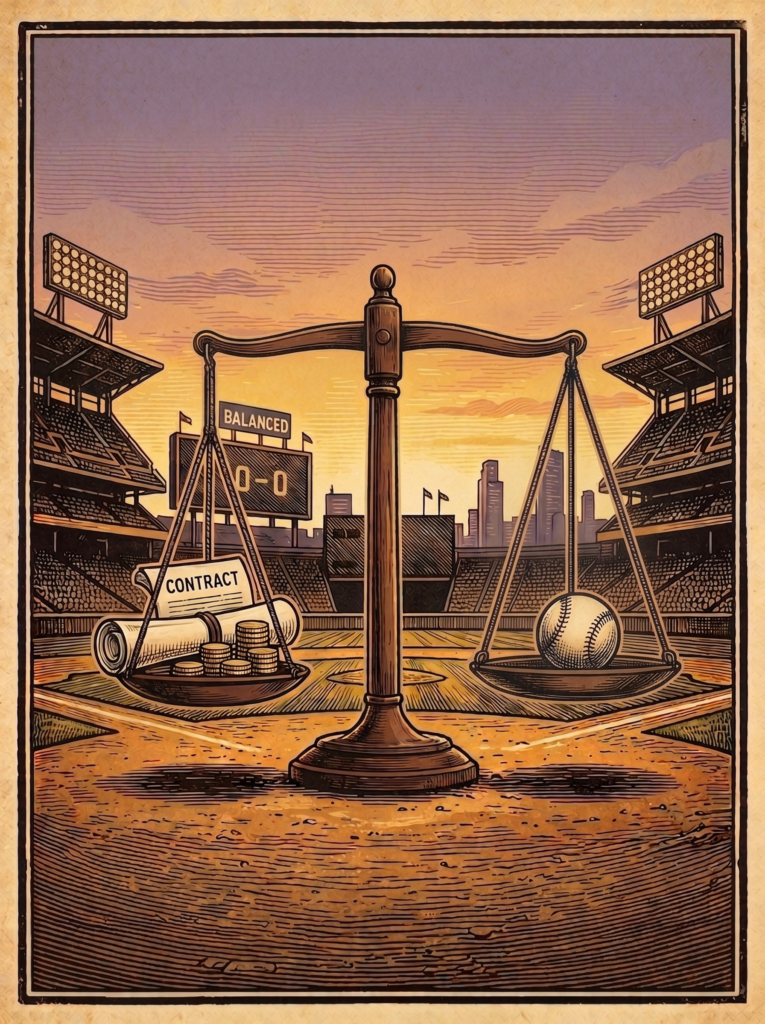
Discover how The Percentage Game transforms sports contracts, enhancing competition and restoring balance to ownership, players and fans.
Your contribution to this story however is just as important the work in building the foundation. If you are a fan of any major sporting league and understand there is a problem that must be addressed, then we welcome you to grab a copy and add your voice to the solution.
The book is available for download on Gumroad, along with a document that has detailed breakdown and examples of the system in action. The more people who get involved, the better the chances are of seeing real change.